Ledger.com/Start® | Getting Started™ | Ledger®®
Ledger.com/start: A Complete Guide to Setting Up Your Ledger Hardware Wallet
Introduction to Ledger.com/start
Cryptocurrency security is an important consideration for anyone who owns digital assets such as Bitcoin, Ethereum, or other supported cryptocurrencies. A hardware wallet can help users protect their crypto by keeping private keys offline. Ledger provides hardware wallets designed to give users greater control over their digital assets. Ledger.com/start is the official starting point for users who want to set up and learn how to use their Ledger hardware wallet.
Whether you are new to cryptocurrency or an experienced investor, understanding the setup process can help you establish a more secure foundation for managing digital assets. Before getting started, it is essential to understand how hardware wallets work, how recovery phrases should be protected, and how to identify official Ledger resources.
What Is Ledger.com/start?
Ledger.com/start is the official Ledger setup website for getting started with a compatible Ledger hardware wallet. It directs users toward the appropriate setup instructions and official software resources for their device.
A Ledger hardware wallet is designed to keep private keys isolated from internet-connected devices. Private keys are essential because they authorize transactions involving your cryptocurrency. Protecting these keys is one of the most important aspects of digital asset security.
The setup process generally involves preparing your device, installing the appropriate official application, creating or restoring a wallet, and following the instructions displayed on the device. Exact steps can vary depending on the Ledger model and the software version.
Always verify that you are visiting the genuine Ledger website before downloading software or entering any information.
How to Get Started With Your Ledger Device
Step 1: Visit the Official Website
Open your browser and manually enter Ledger.com/start. Check the website address carefully to avoid imitation websites designed to steal cryptocurrency or sensitive information.
Do not rely on unsolicited emails, social media messages, advertisements, or unknown links claiming to offer Ledger support. If a message asks you to disclose your recovery phrase, treat it as suspicious.
Step 2: Prepare Your Hardware Wallet
Unpack your device and follow the instructions supplied by the manufacturer. Inspect the packaging and device for anything unusual. If you suspect tampering, consult official Ledger support before proceeding.
Connect or power on your device according to the instructions for your specific model. Follow the prompts displayed on the hardware wallet itself.
Step 3: Install Ledger Wallet Software
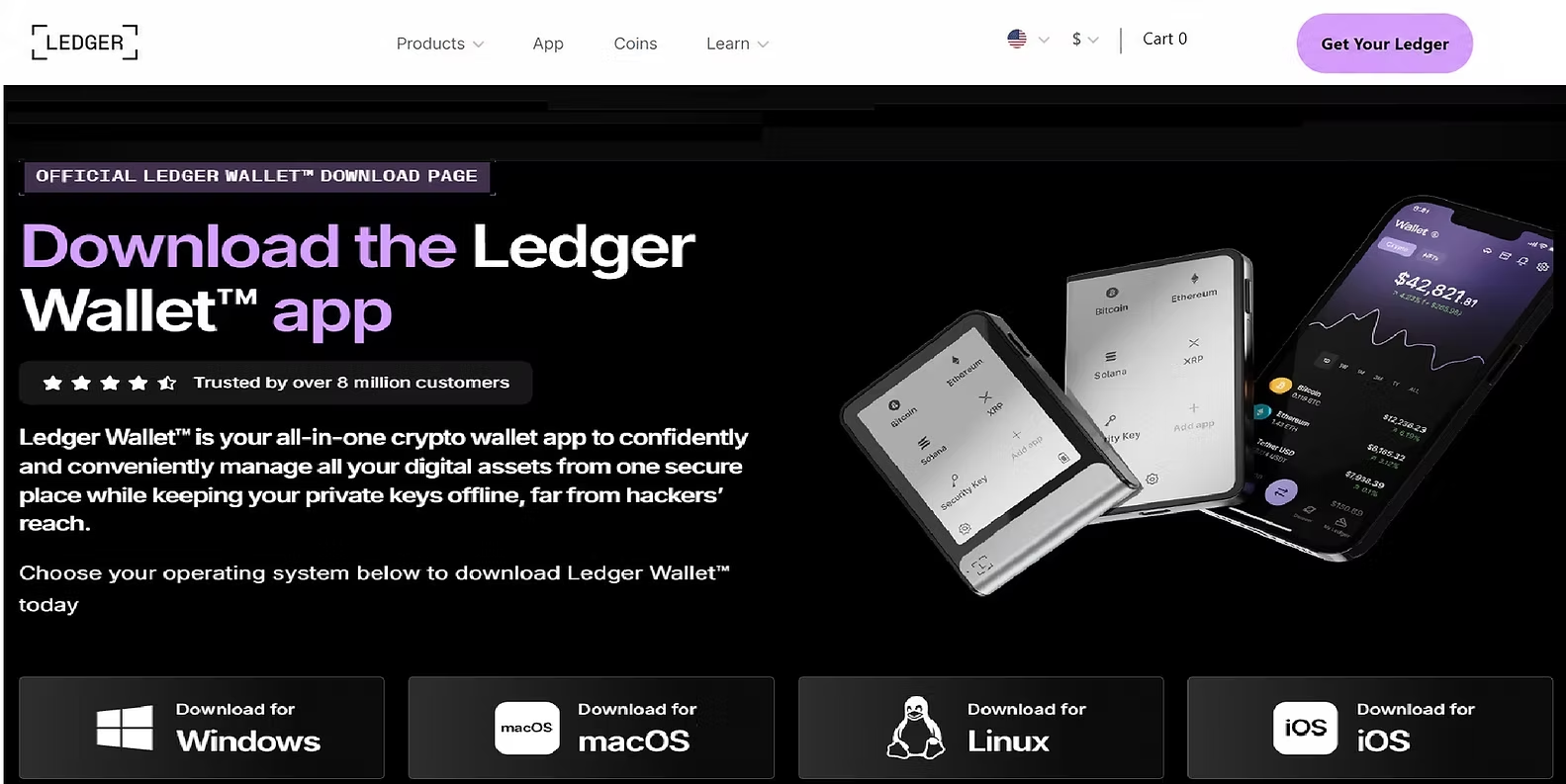
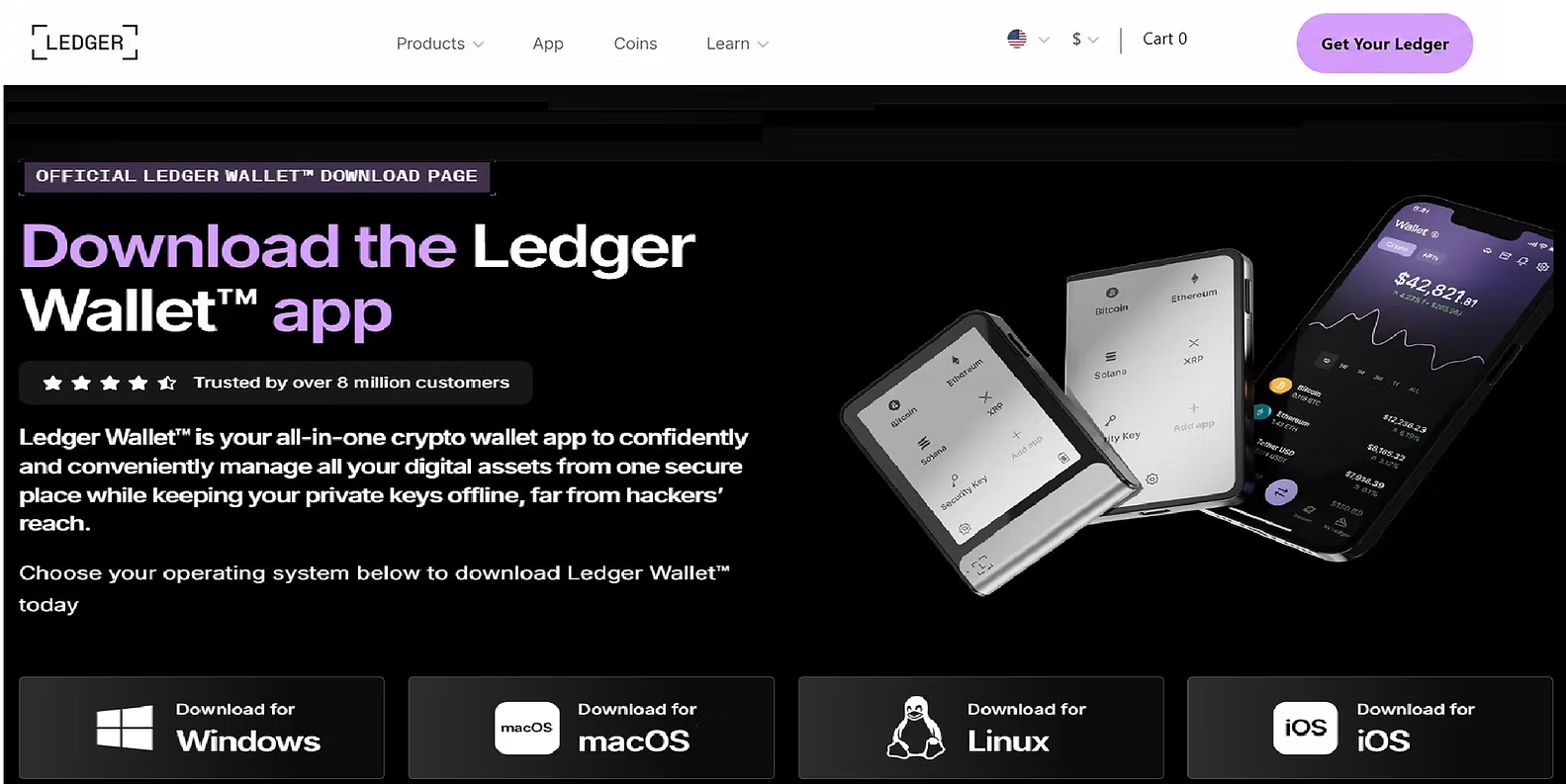
Download the official application recommended for your device from Ledger's verified website. The application provides an interface for managing supported crypto assets and interacting with compatible blockchain networks.
Avoid downloading wallet software from unofficial websites or third-party file-sharing services. Keep your computer or smartphone updated and use trusted security practices while installing applications.
Step 4: Create a New Wallet or Restore an Existing One
During setup, you may be asked whether you want to create a new wallet or restore an existing wallet using its recovery phrase.
If you create a new wallet, the device will guide you through the process of generating and recording a recovery phrase. If you restore an existing wallet, follow the official instructions for your model.
Never enter a recovery phrase into an unfamiliar website, online form, messaging application, or customer support chat.
Step 5: Secure Your Recovery Phrase
Your recovery phrase is one of the most sensitive pieces of information associated with your wallet. Depending on the wallet configuration, it may allow someone to restore access to the assets controlled by the associated keys.
Write the phrase down accurately and store it in a secure, private location. Consider protection against theft, fire, water damage, and accidental loss.
Do not photograph it, save it in cloud storage, or share it with anyone. Genuine support representatives should not need your recovery phrase to troubleshoot ordinary setup issues.
Step 6: Complete Setup and Manage Your Assets
After completing the setup process, follow the official instructions to install the applications required for your preferred cryptocurrencies and add the corresponding accounts.
Before transferring a significant amount of cryptocurrency, consider making a small test transaction. Carefully verify the destination address, network, and transaction details on your hardware wallet screen before approving anything.
Remember that blockchain transactions are generally irreversible once confirmed.
Benefits of Using a Ledger Hardware Wallet
Hardware wallets provide several security advantages when used correctly.
Offline private-key protection: Hardware wallets are designed to keep private keys isolated from everyday internet-connected devices, reducing exposure to certain online threats.
Greater control: Users can maintain control of their wallet credentials instead of relying entirely on a centralized exchange to safeguard their assets.
Transaction verification: Compatible devices allow users to review transaction details on the device before approving a transaction.
Support for multiple assets: Depending on the model and available applications, users can manage accounts for multiple supported cryptocurrencies.
However, a hardware wallet does not eliminate every risk. Phishing attacks, compromised recovery phrases, malicious transactions, user mistakes, and certain physical security threats can still result in losses.
Common Ledger Setup Problems
Some users may experience connection issues, outdated software, device recognition problems, or difficulties installing cryptocurrency applications.
Start by checking the official troubleshooting documentation. Confirm that your device is compatible with your operating system, that the necessary permissions are enabled, and that the official software is updated.
If your device is not recognized, try an appropriate data-capable cable or another supported USB port, where applicable. Avoid sharing recovery phrases or private information when requesting technical assistance.
If a website or support representative requests your recovery phrase, stop the interaction immediately and verify the request through official Ledger channels.
Tips for Maintaining Cryptocurrency Security
Keep your device firmware and official wallet software updated using verified sources. Use strong security practices on your computer or smartphone, and remain cautious when connecting your wallet to decentralized applications.
Review transaction details before signing, particularly when interacting with unfamiliar smart contracts. Be careful with token approvals, unexpected airdrops, and messages promising free cryptocurrency.
Store your recovery phrase securely and make sure trusted estate-planning arrangements, where appropriate, do not compromise its confidentiality. Never disclose sensitive wallet credentials to strangers.
Conclusion
Ledger.com/start provides an official starting point for setting up a compatible Ledger hardware wallet. By following the device-specific instructions, downloading genuine software, safeguarding your recovery phrase, and verifying every transaction, you can improve your approach to cryptocurrency security.
The most important principle is simple: protect your recovery phrase and never approve a transaction you do not understand. Good security habits, combined with careful use of official resources, can help reduce avoidable risks when managing digital assets.
Disclaimer
This article is provided for general informational and educational purposes only. It is not financial, investment, legal, or cybersecurity advice and should not be interpreted as a guarantee of cryptocurrency security or investment performance. Cryptocurrency ownership and blockchain transactions involve risks, including theft, loss of access, software vulnerabilities, and irreversible transfers.
Ledger and its products are referenced for informational purposes. This article is not an official Ledger publication and does not imply sponsorship, endorsement, or affiliation with Ledger. Readers should verify setup instructions, software downloads, product compatibility, and security guidance directly through Ledger's official website. Never share your recovery phrase or private keys with any person or website. Always conduct your own research and seek qualified professional advice when appropriate.