Ledger®® Live: Login |Your Wallet®®
Ledger Live Login: Your Guide to Secure Cryptocurrency Wallet Access
Introduction
As digital currencies become increasingly popular, secure access to cryptocurrency management tools is essential for protecting digital investments. Ledger Live Login is a frequently searched term among users who want to open Ledger's wallet management software, review their crypto holdings, and manage transactions through a compatible Ledger hardware wallet.
Ledger's wallet software provides a convenient interface for monitoring supported digital assets, checking account activity, and accessing compatible blockchain services. Its hardware-wallet approach is designed to keep private keys protected on the physical device while users manage their portfolios through desktop or mobile software.
Whether you are setting up a new device or returning to check your cryptocurrency balance, understanding the access process can help you avoid common mistakes and protect your digital assets.
Understanding the Ledger Live Login Process
Unlike traditional financial websites, Ledger's wallet software does not necessarily rely on a standard username-and-password login for basic wallet management. Access depends on the software version, the wallet configuration, and the feature being used.
For hardware-wallet operations, users generally connect their compatible Ledger device, unlock it with their PIN, and follow the instructions provided by the application. Certain operations require additional approval directly on the device.
This design separates the management interface from the hardware that protects the private keys. However, it does not remove the need for caution. Users must verify transactions and protect their recovery phrase at all times.
How to Access Your Ledger Wallet
1. Open the Official Ledger Website
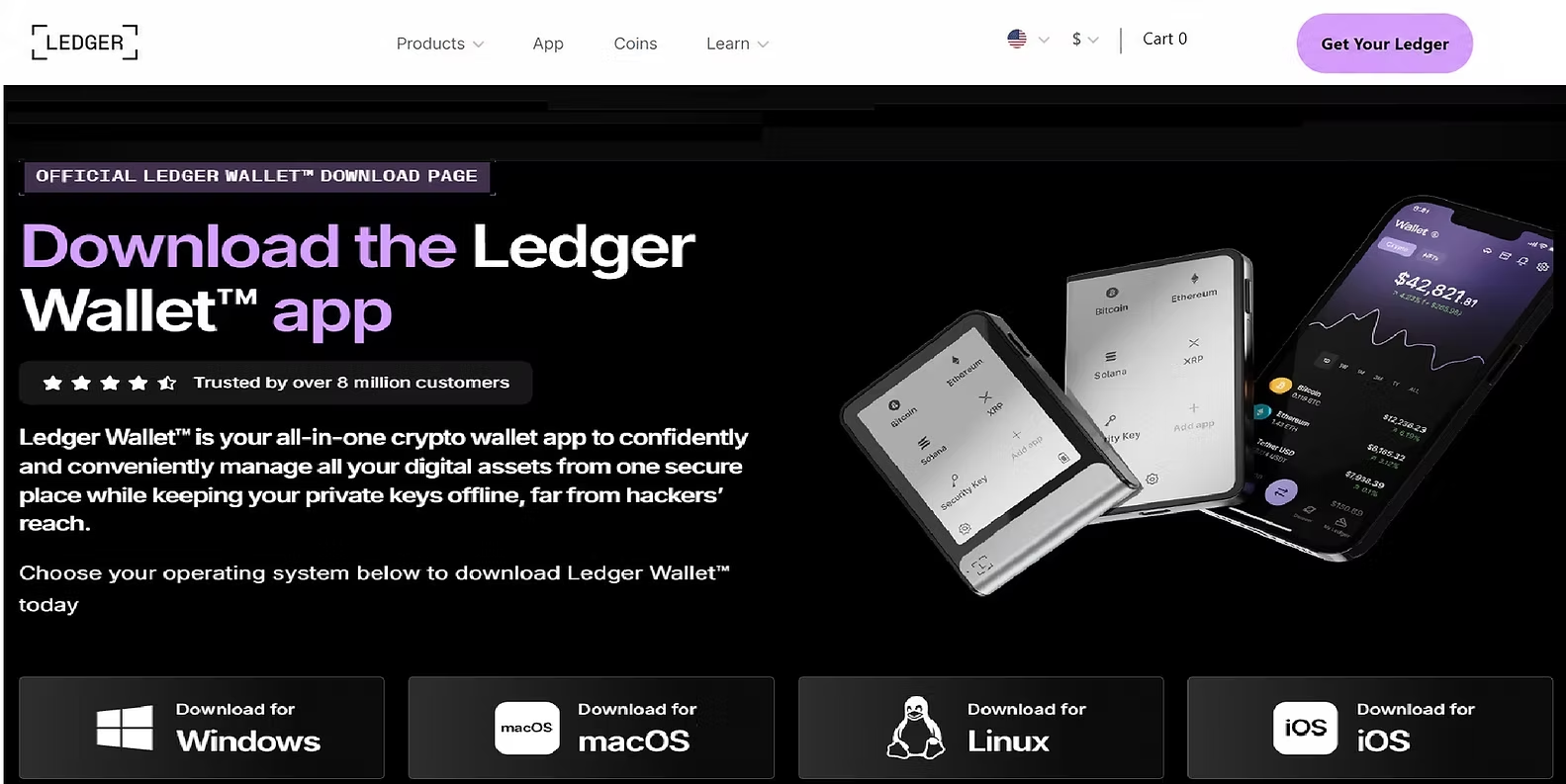
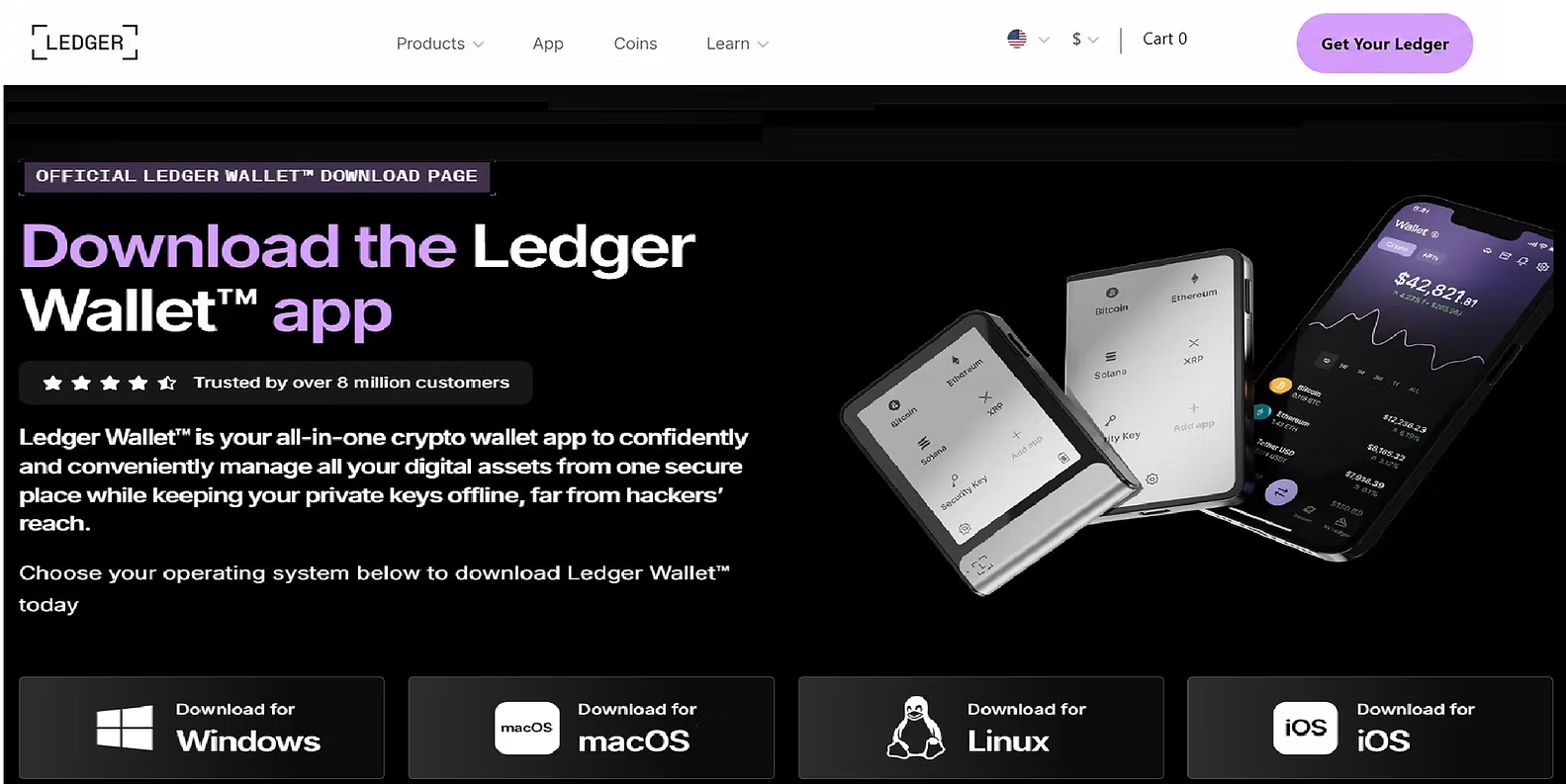
Start by visiting Ledger's official website at https://www.ledger.com/ledger-live. Use this source to locate the appropriate wallet software and official installation instructions.
Always check the web address carefully. Fraudulent websites can imitate legitimate wallet services and display convincing login or verification pages.
2. Launch the Wallet Application
Open the authentic Ledger application on your desktop or mobile device. If you need to install or update the software, follow the instructions provided through official Ledger channels.
Avoid downloading wallet applications from unfamiliar websites or links sent by unknown individuals.
3. Connect Your Hardware Wallet
Connect your compatible Ledger device using its supported connection method. Enter your PIN directly on the device when prompted, and follow the instructions shown by the genuine application.
Never disclose your PIN or recovery phrase to another person.
4. Review Your Crypto Accounts
Once your device is connected and the application is ready, open the appropriate account or portfolio section. You can review supported assets, check transaction histories, and access available wallet-management features.
When sending cryptocurrency, carefully inspect the transaction information and approve it on your hardware wallet only if all details are correct.
Features Available Through Ledger Wallet Software
Ledger's wallet software combines several cryptocurrency management functions in one interface.
Portfolio monitoring: Review supported cryptocurrency balances and estimated portfolio values. Market prices fluctuate, so displayed values may change rapidly.
Transaction management: Prepare supported cryptocurrency transfers and review transaction details before confirming them on your hardware device.
Account organization: Manage supported blockchain accounts and view relevant transaction histories in one place.
Additional services: Depending on your location, device, and software version, compatible services may offer features such as staking, swaps, or cryptocurrency purchases. These services can have separate fees, eligibility rules, and risks.
Hardware-wallet integration: Use a compatible physical device to authorize supported operations while keeping private keys protected by the device.
Feature availability varies, and not every token or blockchain network is supported directly by Ledger's software.
Ledger Live Login Security: What You Need to Know
Security is one of the most important considerations when accessing a cryptocurrency wallet. Even a legitimate application cannot protect funds if someone reveals their recovery credentials or approves a fraudulent transaction.
Protect Your Recovery Phrase
Your 24-word recovery phrase can restore access to the associated wallet. Anyone who obtains it may be able to control the assets linked to it.
Write it down and keep it in a secure offline location. Never enter it into a website, online form, email, or application claiming that recovery words are required for login verification.
Confirm Transactions on Your Device
Before approving a transfer, inspect the recipient address, amount, network, and other available details on your Ledger device. Do not rely exclusively on information displayed on your computer screen.
Avoid Fake Login Pages
Scammers may create websites that imitate Ledger's branding and claim that users must verify their wallets, unlock restricted funds, or complete an urgent security update.
Access the software through official sources rather than links in unexpected emails, text messages, or social media posts.
Keep Your Software Updated
Use official instructions to install application updates and compatible device firmware updates. Updates can improve functionality and address security issues, but you should always verify their source.
Troubleshooting Common Access Issues
Ledger Device Is Not Connecting
Check that the device is unlocked, the cable supports data transfer, and the connection port works correctly. Follow the official troubleshooting instructions for your device model.
Cryptocurrency Accounts Are Not Displayed
Confirm that you are using the correct wallet configuration and that the required accounts have been added. Network synchronization or software changes may also affect the displayed information.
Forgotten Device PIN
Follow Ledger's official instructions for your specific hardware model. Avoid repeatedly guessing your PIN because multiple incorrect attempts can trigger a device reset.
Application Errors
Restart the application, check the supported operating-system requirements, and install verified updates if needed. If the problem continues, consult official Ledger support documentation without sharing confidential wallet information.
Is Ledger Live Login Safe?
Using genuine Ledger software with a compatible hardware wallet can provide important security advantages because private keys are designed to remain on the hardware device. Nevertheless, overall security also depends on user behavior, device integrity, transaction verification, and the safety of connected applications.
A hardware wallet does not automatically make every transaction safe. Malicious smart contracts, fraudulent websites, deceptive token approvals, and incorrect transfers can still result in losses.
Be particularly cautious of anyone promising guaranteed returns or asking you to move your assets to a supposedly protected wallet address.
Frequently Asked Questions
Do I need an account password to access Ledger?
Basic wallet-management functions do not necessarily require a traditional online account login. Hardware-wallet activities generally depend on the compatible device and its authentication process. Optional services may have separate requirements.
Can I use Ledger wallet software without connecting my device?
Some information or features may be accessible without a connected hardware wallet, depending on the application version. Operations requiring hardware authorization generally need the appropriate device.
Does Ledger charge a login fee?
Opening the basic wallet-management application is generally free. Blockchain transactions and certain optional services may involve network fees or provider charges.
What if a website asks for my recovery phrase?
Stop immediately. Do not submit your recovery phrase. Close the website and access Ledger's official support resources through its verified website.
Conclusion
Ledger Live Login provides a starting point for users who want to access Ledger's cryptocurrency management software and manage supported digital assets through a compatible hardware wallet. By following official access instructions, understanding device authentication, and verifying every transaction, users can make better-informed decisions about wallet security.
The most effective protection begins with simple habits: keep recovery credentials offline, install authentic software, secure your hardware device, and remain alert to phishing attempts.
With the right precautions, Ledger's wallet software can provide a convenient interface for tracking cryptocurrency holdings and interacting with supported blockchain services while maintaining a security-conscious approach to digital asset management.